Rhizoctonia / Ceratobasidium
Comparative genomics and molecular diagnostics
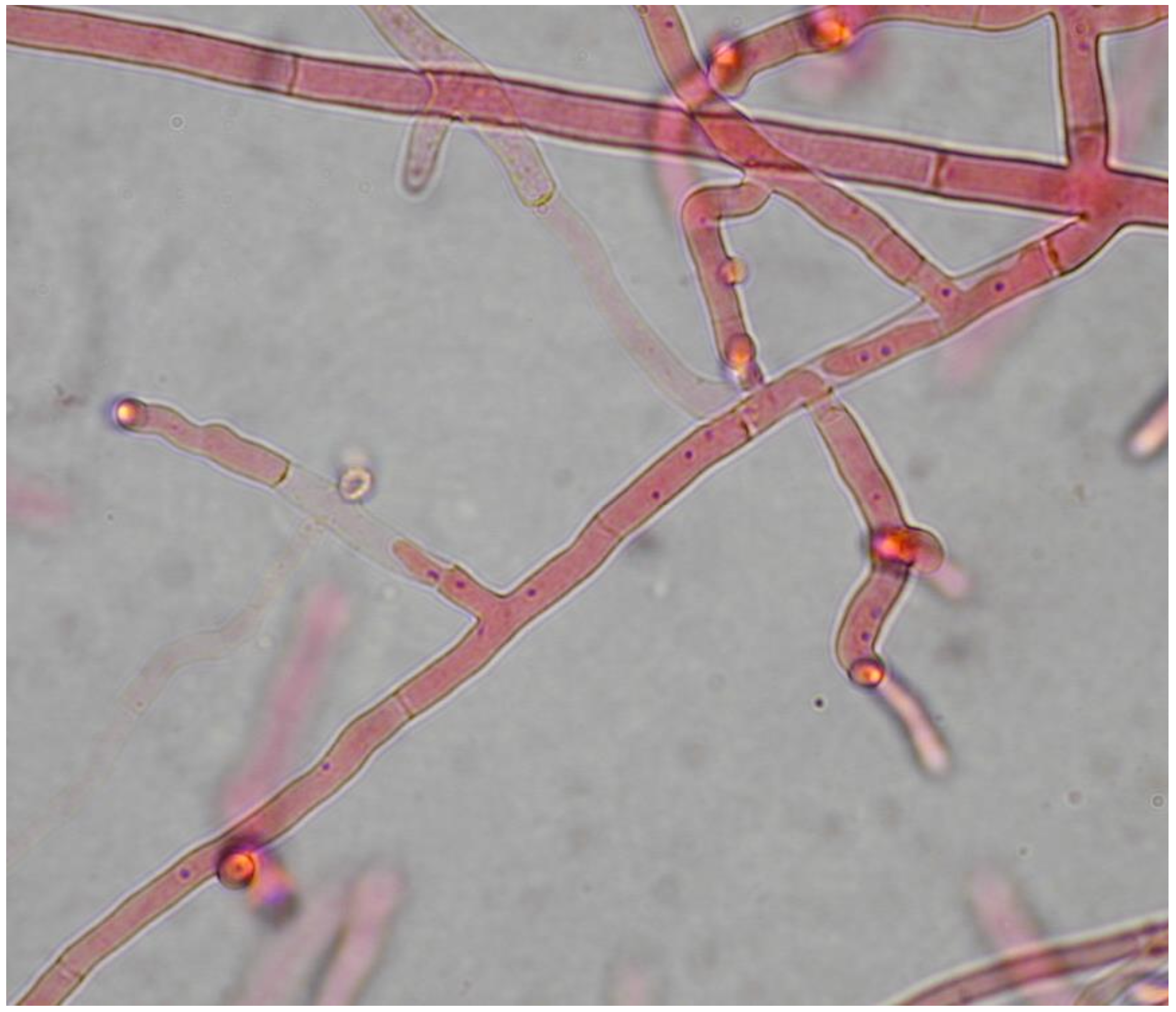
This project investigates the evolutionary genomics and nutritional mode diversification of the fungal family Ceratobasidiaceae, including economically important Rhizoctonia and Ceratobasidium species. Using large-scale comparative genomics and phylogenomics across saprobic, pathogenic, orchid-mycorrhizal, ectomycorrhizal, lichenicolous, and endophytic lineages, the project aims to reconstruct the evolutionary transitions between free-living, mutualistic, and pathogenic lifestyles. The work further explores genome architecture, anastomosis group evolution, plant cell-wall degrading enzymes, carbohydrate-active enzymes (CAZymes), and host-associated adaptation mechanisms to better understand fungal speciation, symbiosis, and plant pathogenicity in Ceratobasidiaceae.
List of Selected Isolates for Sequencing