Rhizobia and Root Nodulation
Evolutionary origin of rhizobial nodulation
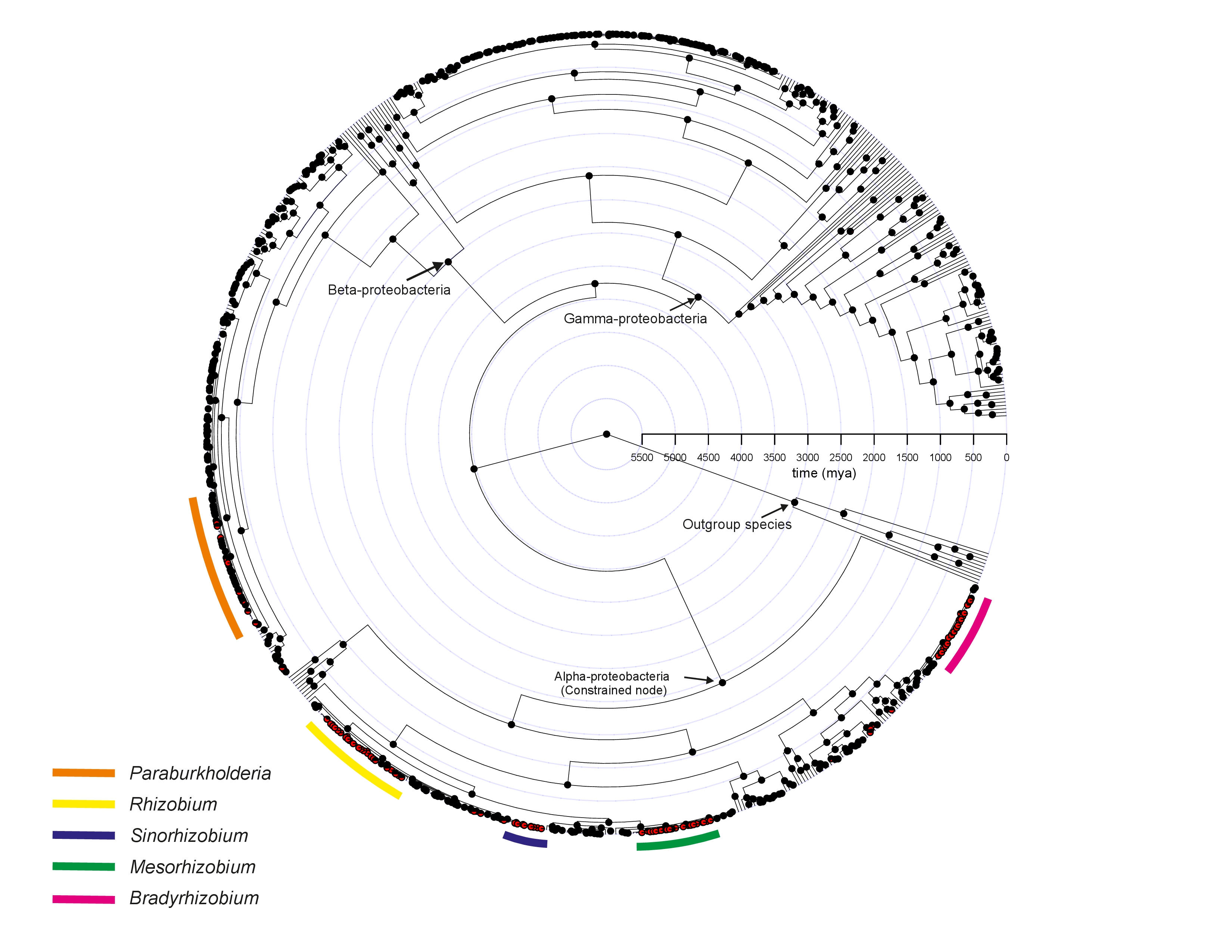
Using genome-scale phylogenomic and molecular clock analyses, this study demonstrated that root nodulation likely evolved within Rhizobiaceae approximately 51 million years ago during the Eocene epoch, substantially later than the estimated origin of legumes. Our analyses suggest that nodulation capacity emerged after legume diversification and subsequently spread across multiple alpha- and beta-Proteobacteria lineages through horizontal gene transfer. The results further revealed that major nodulating genera diverged relatively recently and supported a non-symbiotic ancestral state for Proteobacteria. Conserved genome size expansion among nodulating bacterial clades provided additional insights into the genomic adaptation and evolutionary history of nitrogen-fixing symbiosis.
Read PaperUnveiling root nodulation in Tribulus terrestris and Roystonea regia via metagenomics analysis
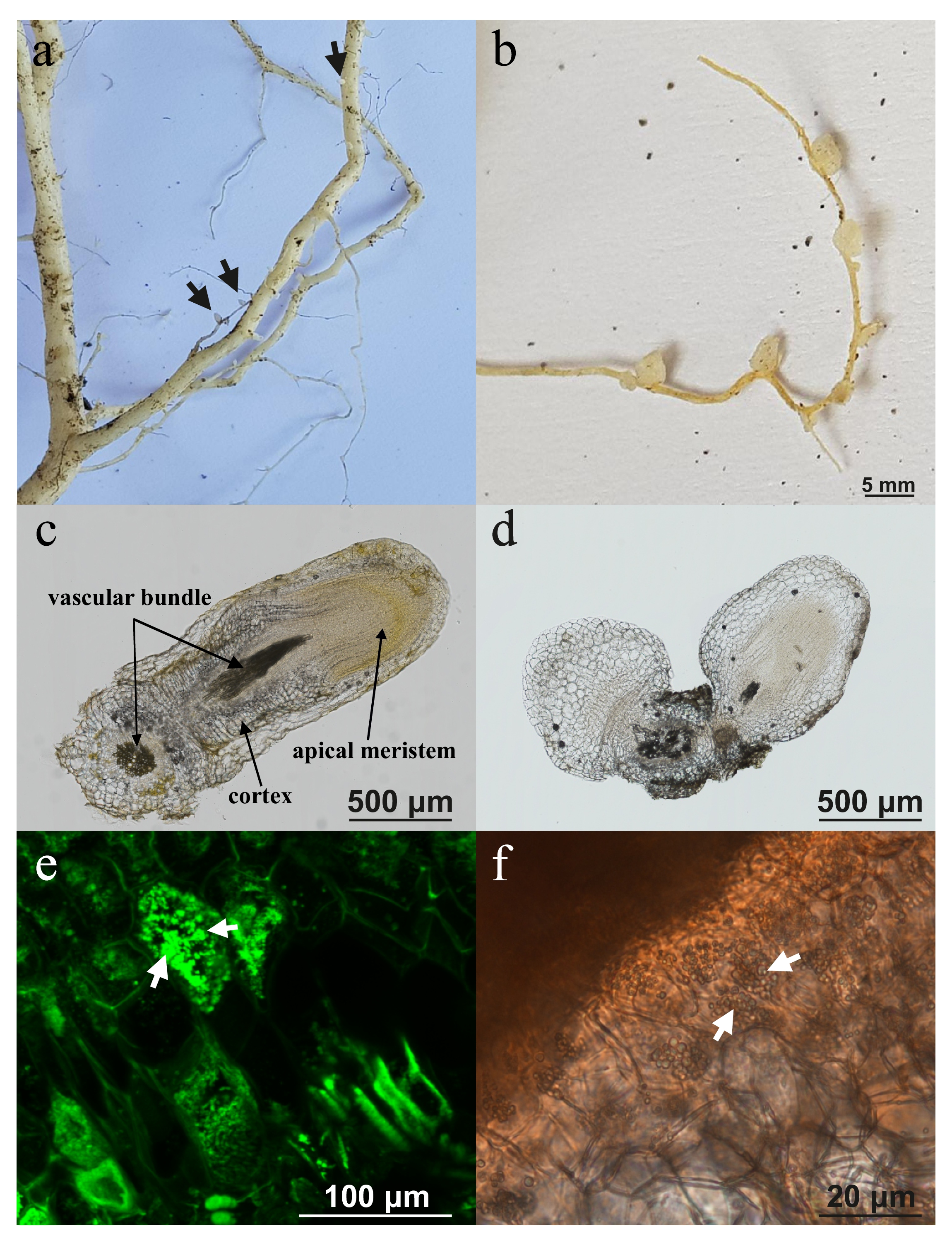
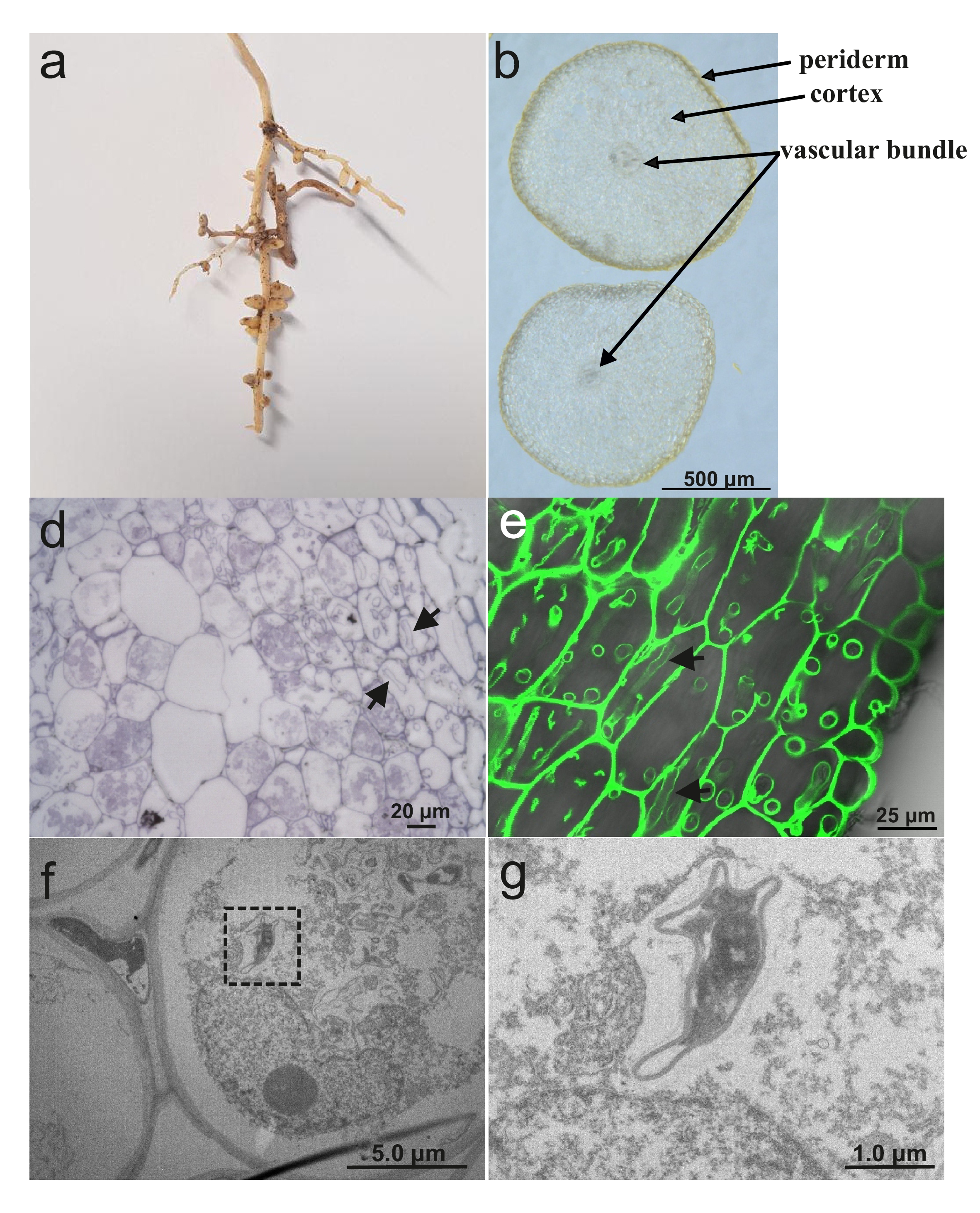
Using metagenomic, phylogenomic, and microscopic analyses, this study investigated unusual nodule-like root structures in Tribulus terrestris and Roystonea regia. The results revealed diverse microbial communities, including nitrogen-fixing and nodulation-associated bacteria, within these structures and provided evidence suggesting that root nodulation-like symbioses may occur beyond traditionally recognized nodulating plant groups. These findings expand current understanding of the evolutionary diversity and ecological complexity of plant–microbe symbioses.
Global database of plants with root-symbiotic nitrogen fixation (NodDB)
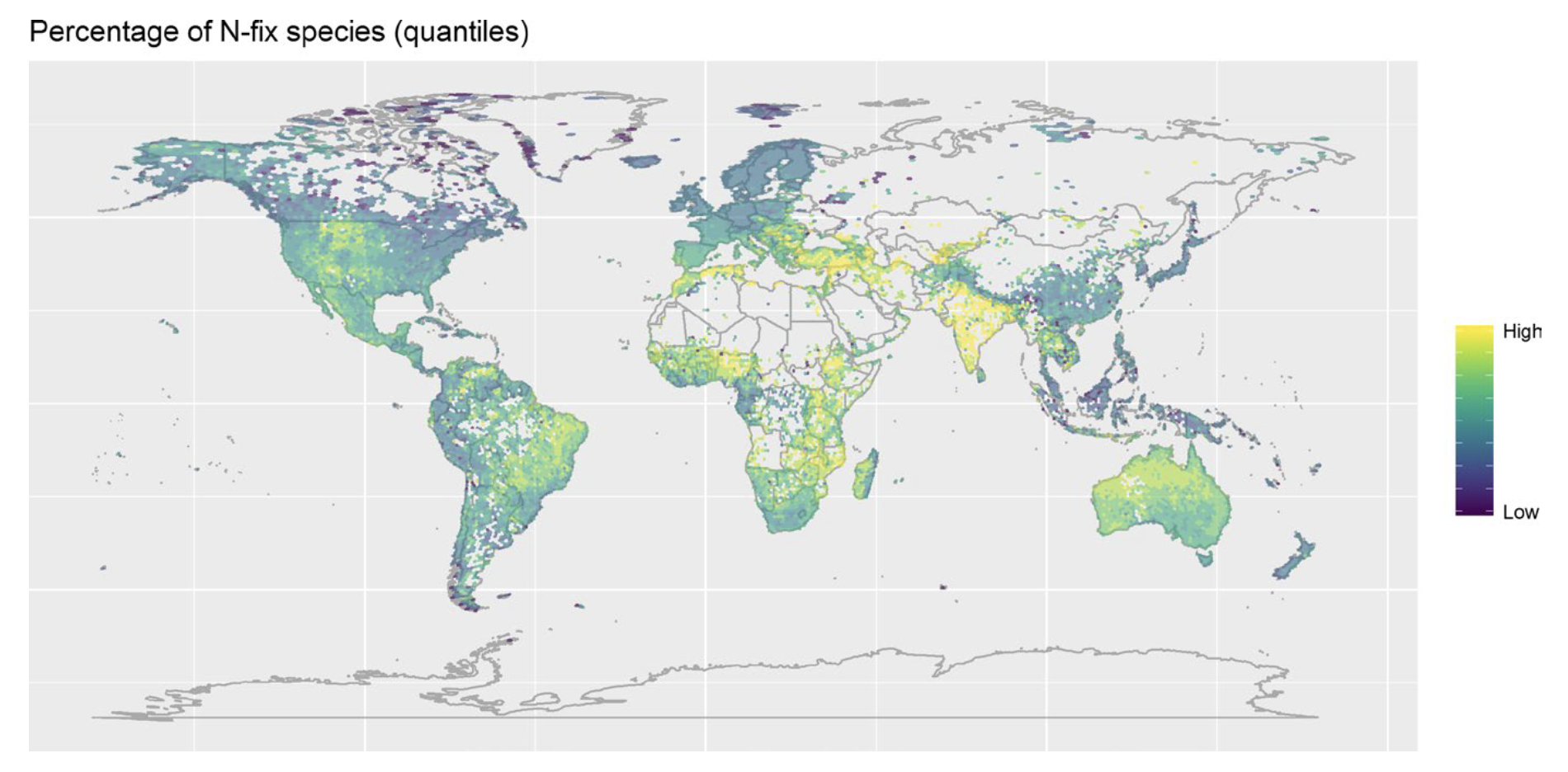
This study introduced NodDB, a comprehensive phylogenetically curated global database of plants capable of root-symbiotic nitrogen fixation. By integrating and critically revising previously fragmented nodulation records across legumes and non-legumes, the work clarified evolutionary patterns of nitrogen-fixing symbioses and highlighted the widespread ecological importance of nodulating plants in savanna, semi-desert, riparian, and early successional ecosystems. The database provides a robust framework for macroecological, phylogenetic, and biogeographic analyses of biological nitrogen fixation.
Read Paper